
February 2026
This Month: The environmental cost of pets; Feline infectious peritonitis update; A different kind of microbiome; An inside look at pet food and cat nutrition
The Environmental Cost of Pets
The pet food industry is making a big show of being more environmentally responsible. Their efforts have focused largely on packaging, somewhat on managing waste streams, and much less on ingredients.
This really bothers me. I don’t think any of us are willing to completely give up sharing our homes with cats (and dogs, hamsters, horses, parrots, iguanas…). But I know you share my concern for the climate and the environment and don’t want to just blithely go along without considering how to minimize our impact on the earth and its limited resources.
My good friend and brilliant writer and pet advocate, Mollie Morrissette, and I are starting a new non-profit organization, the Pet Sustainability Project. It will focus on how we manage having pets—particularly carnivores—without disproportionate environmental costs. It won’t be limited to pet food, but to all aspects of pet stewardship.
The website is currently under construction. I’m having some “technical difficulties,” so your browser may show an “insecure” warning. But because it’s only a few plain pages that do not collect any data, you can safely take an early peek at it here: http://www.petsustainabilityproject.com/
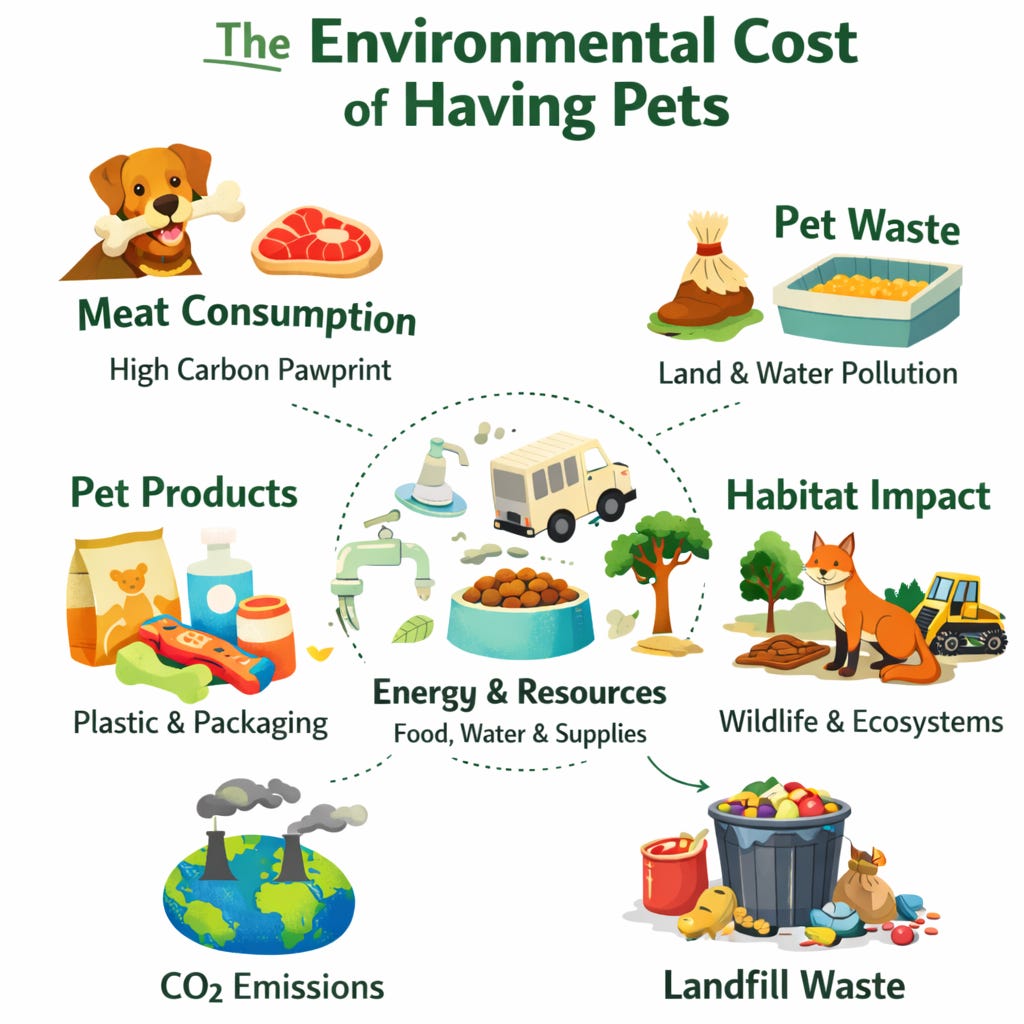
To more closely align Little Big Cat’s mission with these broader concepts, I’ve written an article to start the conversation: The Environmental Cost of Pets. All readers can comment below. I’d love to hear your ideas!
Feline Infectious Peritonitis Update
For my entire practice career, Feline Infectious Peritonitis (FIP) was a death sentence. There were a few attempts at treatment but nothing that worked consistently. It seemed like it was always the sweetest cats that were affected. It was so unfair.
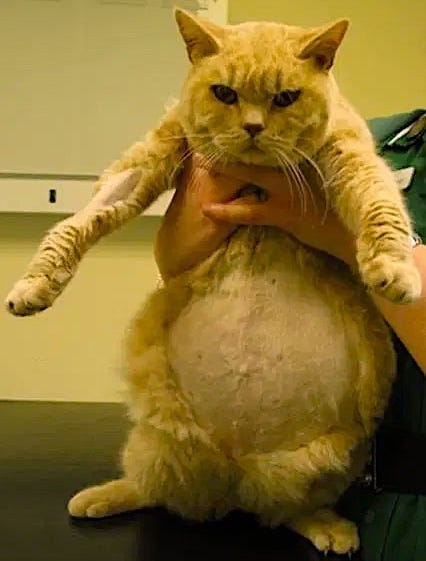
But thankfully, in the last few years, there’s been some progress on treating—possibly even curing—this terrible condition. There’s enough solid data now that I’ve updated my article on FIP on the Little Big Cat website to reflect the latest research, as well as tips on holistic support for affected cats.
A Different Kind of Microbiome
By now, everyone is familiar with the gut microbiome and its wide-ranging effects on everything from digestion to immunity to brain health. But the gut is not the only body system with a microbiome. The skin has one, and the urinary tract also has its own.
In veterinary school, we were taught that urine inside the bladder is sterile. Once it leaves the bladder, it encounters many bacteria in the external environment, potentially complicating its assessment. This is why veterinarians usually collect urine by inserting a needle directly into the bladder to diagnose a urinary tract problem.
But a recent study published in Nature Scientific Reports challenges that view. Urine may not be so sterile after all. Researchers compared urinary bacterial communities in healthy cats with those in cats diagnosed with feline idiopathic cystitis (FIC), the most common form of FLUTD (feline lower urinary tract disease).
FLUTD is a bit mysterious. An identifiable cause is rarely found. Except in very young, very old, and diabetic cats, a true bacterial bladder infection is rare. There’s some data suggesting that viruses such as calicivirus may be involved. But what hasn’t been considered before is urinary dysbiosis.
This new study examined the urinary microbiome of healthy cats to help provide a baseline reference, as well as comparing cats with urinary disorders to identify common changes.
Researchers found a relatively stable group of bacteria in the urine of healthy cats. Younger cats had more diversity in their urinary microbiome, but this did not translate to overall differences among cats. Males and females were similar. However, cats with FIC showed differences in their urinary microbiome, with a decrease in some types of bacteria and an increase in others.
But this study is limited. We don’t yet know what these changes actually mean or what interventions, if any, may be appropriate. Still, this may prove a fruitful area of research for dealing with an uncomfortable and sometimes very serious disease in cats.
An Inside Look at Pet Food and Cat Nutrition
Pet food advice is a hugely popular topic in books, magazines, and online. Unfortunately, most of it isn’t really that useful for a cat guardian trying to choose what to buy. The advice comes mainly from two camps: critics who believe the entire pet food industry is solely after your money, and the pet food industry, which portrays itself as aligned solely with your pet’s best interests. But the truth lies somewhere in the middle.
I’ve personally worked within and around the pet food industry since 1999. I’ve worked on the regulatory side, the formulation side, and the veterinary side where I see the results of feeding choices.
Based on those decades of research and experience, I wanted to create a “living” resource where cat guardians can find clear explanations, serious references, and practical guidance without hype (but with a little dose of fun and snark).

The 2026 edition of What Cats Should Eat: A Holistic Veterinarian’s Guide to Feeding Your Cat is that resource. It is my most comprehensive update yet. It incorporates up-to-date research, discusses sustainable options, and clarifies areas where confusion persists. My list of “approved” foods has been re-evaluated and radically revised based on the latest science. My goal is, as always, to help you make informed decisions that truly support your cat’s health.
What Cats Should Eat is available for Kindle on Amazon (but you can read it on any device with a free app), or get it from an independent seller as a direct PDF download.
on...
Dr. Jean,
How kind of you to respond so quickly. I appreciate it. I do know how "too many things to do and not enough resources or time".
I look forward to your progress. Keep up the good work, cat and cat parents love you for it.
Ms Shane
BOOK RELEASE? I enjoy your writing style and appreciate your work on what to FEED our cats. Working on a computer all day and some nights leaves me wants BOOKS to hold, read and mark up while in bed or a comfy chair. Is there hope for a real book edition of your work? Many thanks, Shane